MINEAR
Minear is an English surname that traces its origins to various linguistic roots and historical contexts. While the spelling is modernised, its earliest forms appear entwined with both Anglo‑Saxon and Norman influences.
The core of the name derives from the Old English word min, meaning "small" or "fine". When combined with the suffix -er, the term functioned as an occupational identifier for a person who dealt with small or fine objects, such as a jeweller or a craftsman. This etymology is consistent with many surnames that grew from the profession of an individual within medieval society.
In the fifteenth century and later, a variant of the name was recorded in France as Minier, a surname brought into England following the 1066 Norman invasion and again in the 17th century by Huguenot refugees. The French word minier is cognate with the Latin mineur – a descriptor for those who excavated tunnels or pits. Thus, Minear may also have been a metonymic nickname for a builder of tunnels. The English equivalent surnames likely include Pitts or Petts, surnames traditionally associated with digging pits.
Early documentary evidence of the name appears in legal and administrative records. The 1212 Curia Regis Rolls of Lincoln record an Adam Le Miner, while the 1234 Pipe Rolls of Derbyshire contain an entry for Henry le Minr. In 1275, the wills of Hastings, Sussex mention John le Minour. The 1273 rolls of Somerset refer to Richard Minnour. The most ancient surviving instance belongs to Jordan le Mineur, dated 1195 in the Pipe Rolls of Cornwall during the reign of King Richard I of England, the Lionheart.
In Cornwall, a prominent mining region, the surname is linked to the Old English verb mynian – "to mine". Tin mining dominated the local economy for centuries, and the term Miner or Minear came to denote workers within these mines. The occupational nature of the name is therefore firmly grounded in the long history of Cornwall’s mineral industry.
The surname has remained relatively rare. Modern bearers are found in the United Kingdom, the United States, Canada, Australia and New Zealand, reflecting waves of migration and diaspora. In contemporary times, the name continues to appear sporadically and is not common in any country.
When it comes to spelling variants, several forms have appeared across historical documents: Miners, Miner, Minar, Minnear, Minier, Mynier, Myner, Minere, Minneer, Mynear, Minnier, Minneare, and Minier. Such variations arose from regional pronunciations, inconsistent record‑keeping, and the transliteration of foreign names. In some instances, the suffix s at the end of the name indicates a patronymic sense, meaning “son of Miner.”
Because the origins of the name span multiple linguistic traditions and centuries of documentation, definitive conclusions can only be reached through diligent genealogical research. The concentration of the surname in particular areas, the survival of early records, and the persistence of occupational descriptors provide key clues for tracing lineage and confirming connections among families who share the surname Minear.
Typical given names associated with the Minear surname
Male
- John
- Peter
- Robert
Female
- Anna
- Carole
- Margaret
Similar and related surnames
- Minar
- Minard
- Mina
- Minara
- Minea
- Minari
- Minart
- Minary
- Minaur
- Mineard
- Mineards
- Mineart
- Mineiro
- Miner
- Minerd
- Minero
- Miners
- Minery
- Mineur
- Minier
- Minieri
- Miniero
- Minnaar
- Minnear
- Minner
- Minners
- Minnery
- Minniear
- Minnir
- Minor
- Minors
- Myner
- Myners
- Mynor
- Mignard
- Minaee
- Minards
- Minerds
- Minerve
- Minnard
- Minarik
- Minas
- Monro
- Munro
Related and similar names are generated algorithmically based on the spelling, and may not necessarily share an etymology.
How to communicate the surname Minear in...
Braille
⠍⠊⠝⠑⠁⠗
Morse
--..-...-.-.
Semaphore
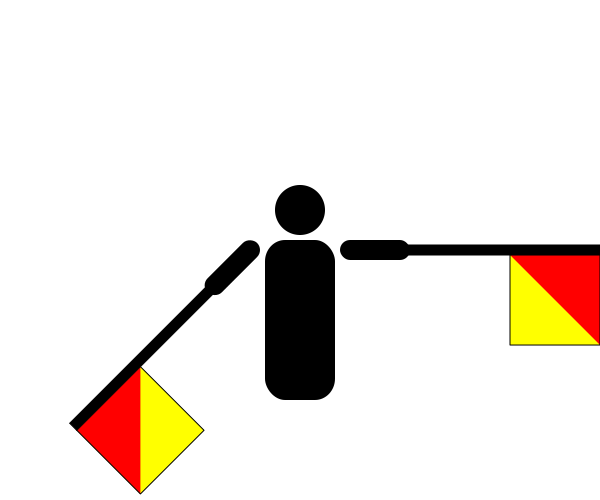
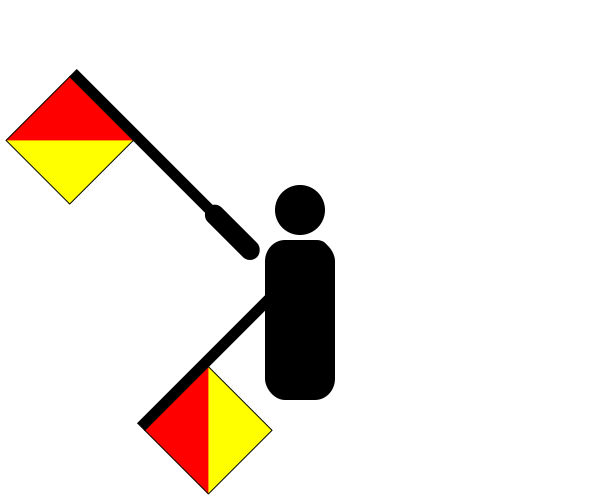
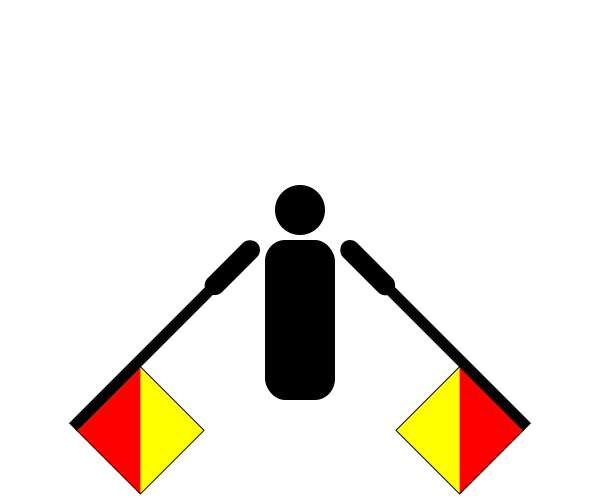


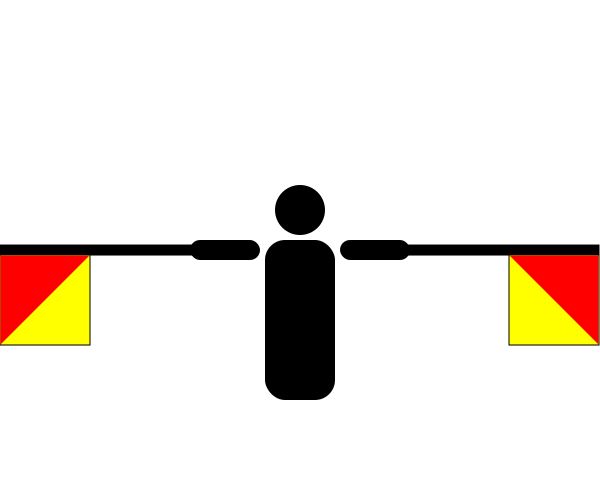
There are approximately 79 people named Minear in the UK. That makes it one of Britain's least common surnames. Only around one in a million people in Britain are named Minear.
